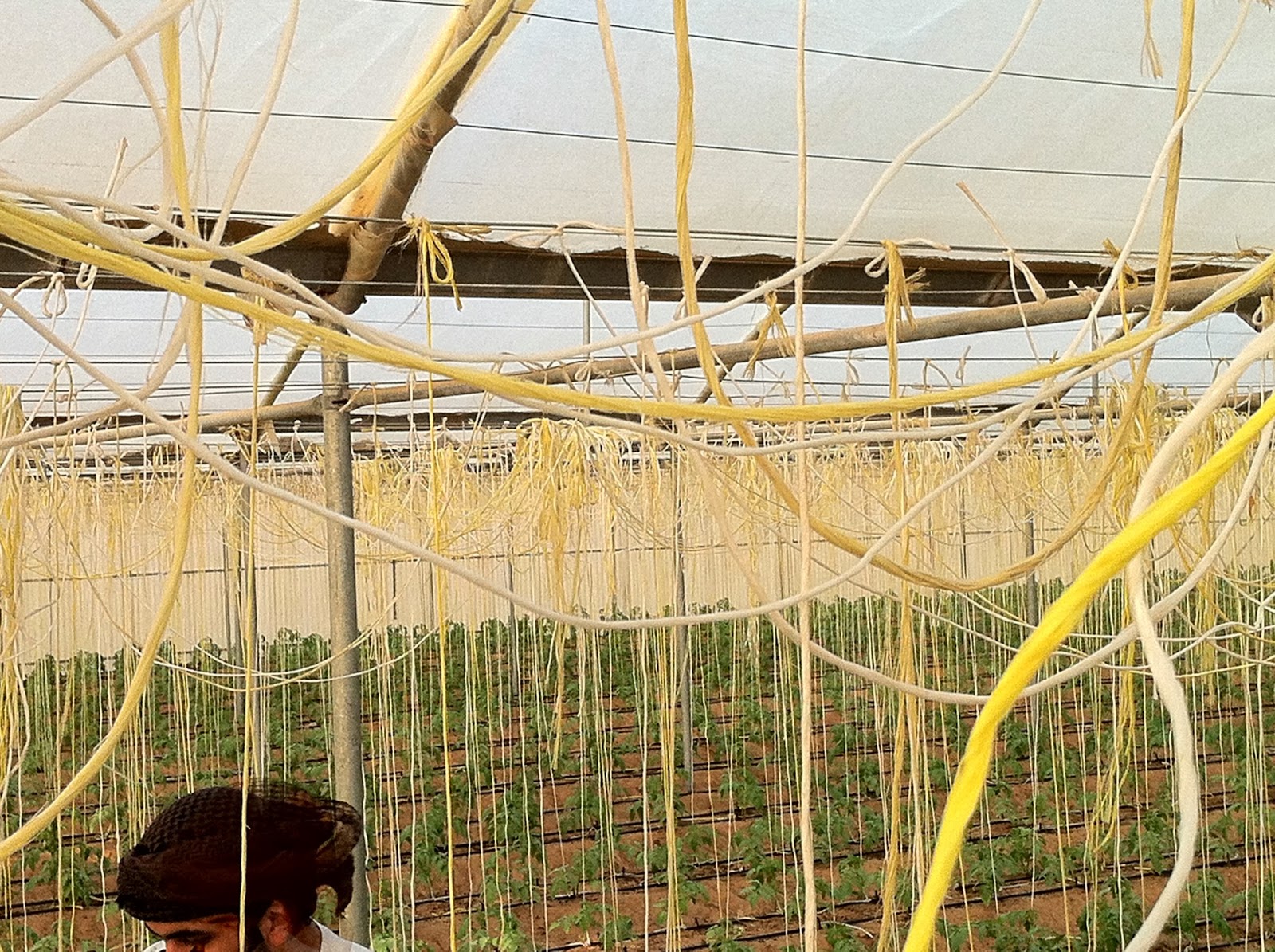
This blog is based on a report written by three of the first ten male graduates of Zayed University – Ahmed Sultan, Obaid Al Zaabi and Yousif Ali. The general title of the assignment was Strategy in Traditional Industries. For the report presentation we visited Yousif’s family farm on the highway between Abu Dhabi and Al Ain. I drank fresh goat milk and camel milk and we ended the long afternoon with a BBQ and karak around a campfire telling traditional ghost stories.
Only forty years ago many families around the UAE lived much simpler lives than today – instead of going out to the local ADNOC for milk, they would go out to the barn, choose a camel and come back with healthy, fresh and warm milk. Now, while the majority of Emirates live in an urban environment, they can still enjoy the benefits of having a farm – fresh milk, fresh hormone-free meat, and a weekend lifestyle that brings them back to days when the desert and a camp fire were the wide screen TV and satellite of today.
An Azba is a farm for livestock intended for personal, or family use. These farms typically have chickens, goats, camels, cows, sheep or rabbits – the combination depends on the family needs, the size of the farm. In particular camels can be used for breeding, race preparation or milk production. While some azbas might exist in “legal limbo”, the large majority are registered with the appropriate municipality and in the Emirate of Abu Dhabi, with the Abu Dhabi Food Control Authority. Fodder, water and veterinary care is provided by the municipality according to the number of registered animals on each farm.
Now to the strategy part – why have these farms when meat is so readily available in the supermarket? Why encourage young husbands and fathers to set up these farms for their families? Is there a strategic purpose to all this? Well, the answer is yes, there is a strategy behind this – and actually it is quite clever. As you might know, there are four main pillars or supporting walls to the Strategy of the Abu Dhabi and the UAE – that is sustainability in economy, culture, society and environment.
We know that sustainability means we want to preserve what we have so that it is there for the use of future generations and that it might mean modernising things (not Westernising), but that the best projects think of all four pillars. So, this is my interpretation of how Azbas fit into the sustainability strategy of the country (no secret information, just observation, listening and studying a few too many strategic plans from the region).
1. Economic – Diversifying the economy is part of the strategic vision of all the Gulf States, and really of all countries which are natural resource dependent. No – small farms will not create an industry that will be export focused, rather there could be a small “cottage industry” developed around the buying and selling of locally and traditionally raised meat, perhaps even organic meat.
2. Social – Social sustainability in part means that we have meaningful jobs and that we each contribute in some way to making society better for everyone. Owning and operating a farm is a wonderful way for young men and families to contribute to the food security of their families on one hand and the larger extended community on the other. Now food security might not be an issue for today or even tomorrow – but what if it becomes an issue? Well, with Azbas families know where their meat comes from, what the animal ate and how it was slaughtered (OK, that might sound brutal, but we all know that it is an important issue here).
3. Environmental – Yes, these farms use water – but raising meat locally means that it is not being shipped from oceans away – which reduces its “footprint”.
4. Culture – Emiratis from the desert, the sea and the mountains have the tradition of raising their own meat, trading it for things they didn’t have, and relying on their own labour to provide food for their families. While this is not necessary now, Azbas bring back that sense of “providing for” and living off the land (no matter how harsh that land was).
I told you it was clever – and maybe more complex than you thought. Our visit to the Azba was quite an experience and I know that my students look at them in a different way than they did before the assignment. These are not just farms to raise meat for families, there are actually a very strategic way to encourage hands-on sustainability. I hope that you will also have a chance to visit an Azba and taste sweet warm milk fresh from a camel – and listen to ghost stories around a campfire, told by very creative students.
Me petting a camel
Ghost stories around the campfire